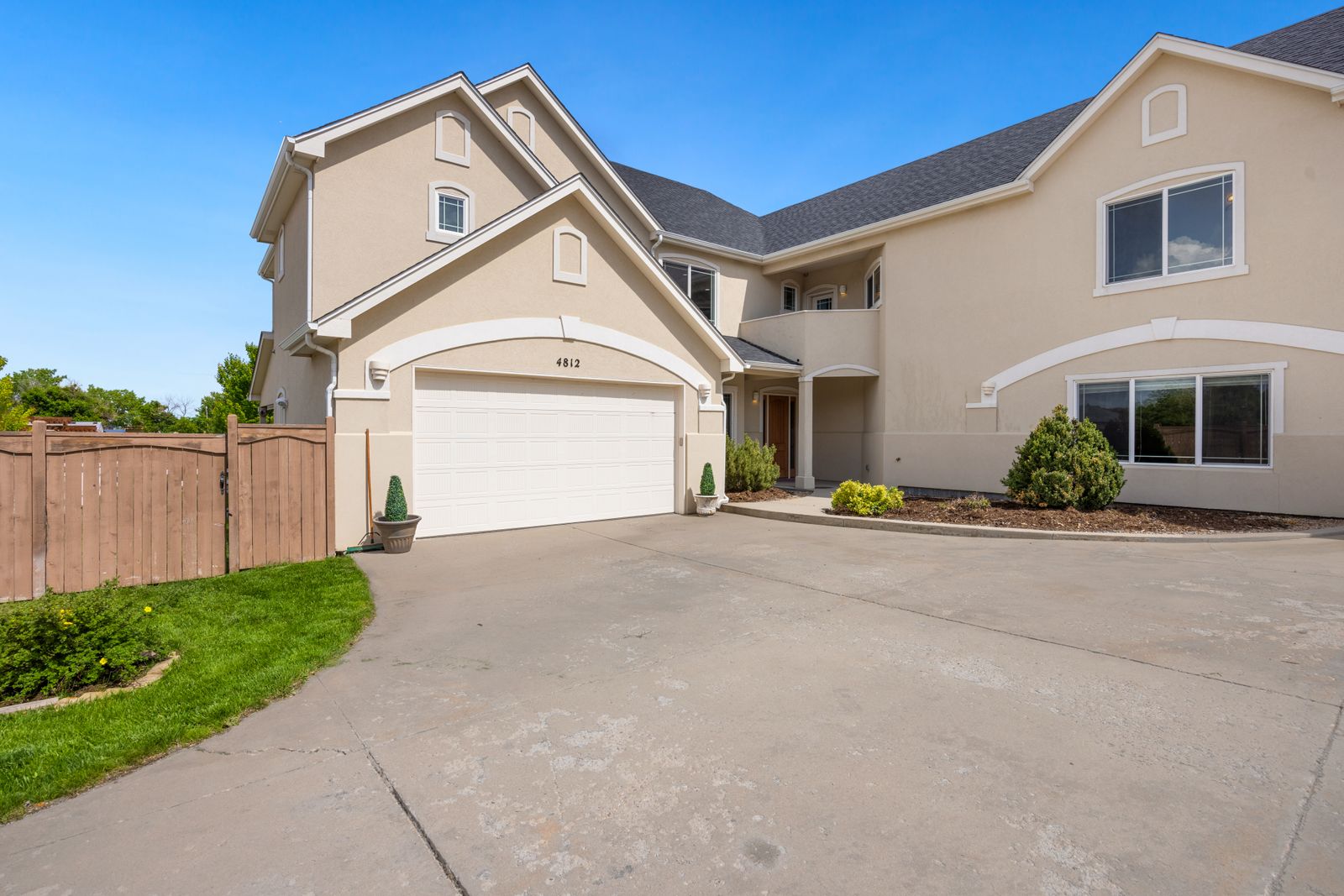
The garage door is the largest moving part of most homes, and often the most visible one — it can take up a third of the front of the house. When it gets noisy, dented, drafty or unreliable, replacement starts to look better than another repair, and the first question is what a new door actually costs. The honest answer is that it varies more than most people expect: a basic single door and a fully insulated double door with a smart opener are very different purchases. Knowing what sits behind each price tier keeps you from overpaying for features you do not need.
What the total price is made of
A garage door quote has three parts, and comparing quotes means comparing all three. First, the door itself: the panels, hardware, tracks and springs. Second, the opener, if you are replacing it at the same time — many homeowners do, since an old opener on a new door is a common source of trouble. Third, labor: removal and disposal of the old door, installation of the new one, spring tensioning, track alignment, safety-sensor setup and testing. Some quotes bundle all three; others list the opener or disposal separately, so a quote that looks cheaper may simply be leaving something out. Ask for the breakdown in writing before comparing totals.
Typical cost ranges by door type
These are broad, hedged ranges for a professionally installed door, not quotes — your market, your door size and your material choice all move the number. A basic single-car door in uninsulated steel, with a standard opener, typically falls in the low four figures all-in. A mid-range door — insulated steel, a quieter belt-drive opener, and a style upgrade such as carriage-house panels or windows — typically lands in the mid four figures. A premium double-car door in insulated steel, wood composite or real wood, with a smart opener, battery backup and upgraded hardware, typically runs into the high four figures and beyond. A double door is not simply twice a single door: the panels are wider, the springs are heavier, and the opener works harder, so double-door pricing reflects that. Custom sizes, oversized doors for tall vehicles, and doors with extensive glass all sit above these ranges.
What moves the price most
- Material. Uninsulated steel is the most affordable and the most common. Insulated steel adds cost but also quiet, stiffness and energy performance. Wood composite and real wood cost more still and need more maintenance, but suit homes where the door is a design feature. Aluminum and glass doors sit at the premium end and suit modern homes.
- Insulation. Insulation is rated by R-value, and it matters most when the garage is attached, used as a workspace, or sits under living space. A well-insulated door keeps the garage — and the rooms above and beside it — more comfortable, and it runs quieter. An uninsulated door is fine for a detached garage used only for parking.
- Size. A standard single door and a standard double door are priced very differently, and non-standard widths or heights add cost because the door must be built to order.
- The opener. Chain-drive openers are the cheapest and the noisiest. Belt-drive openers cost more and run much quieter — worth it for a garage under a bedroom. Smart openers add phone control, alerts and battery backup, which keeps the door working in a power cut.
- Style and windows. Raised panels are standard; carriage-house styling, decorative hardware and windows add cost, worth it mainly when the door dominates the front of the house.
- Structural work. If the opening is out of square or the header is damaged, that work is extra — but worth doing properly, since a new door on a bad opening will never run right.
Repair or replace? The decision that matters most
Replacement makes sense when the door is structurally tired: multiple dented or rusted panels, a warped or sagging section, a door that has been hit, or a system where panels, springs and opener are all aging at once. Repair makes sense when the door itself is sound and one component has failed — a spring, a cable, a sensor, or an opener, all of which are routine repairs. As a rough guide, when a repair quote approaches a large fraction of replacement cost, or when repairs keep coming every few months, replacement is the better money. Our guide Garage Door Won't Open? 6 Common Causes helps you tell a simple fault from a dying door, and Garage Door Safety: 7 Checks to Do Before Something Breaks covers the routine that extends any door's life.
What to check before you buy
- Measure the opening yourself and confirm the quote is for that size — wrong-size doors are an expensive mistake.
- Ask what insulation rating is included, and whether the quoted door is single, double or triple layer.
- Ask whether removal and disposal of the old door are included.
- Confirm the spring type and warranty — torsion springs are standard on most modern doors, and their cycle rating is a real quality signal.
- Ask about the safety features: auto-reverse, photo-eye sensors, and manual release must all be tested before the installer leaves.
- Check that the installer is insured, and ask what the warranty covers on the door, the opener and the labor separately.
Ways to keep the cost down without cutting quality
There are honest ways to lower the bill. Choose insulated steel over wood or glass unless the door is a genuine design feature — it looks good, lasts well and costs far less. Keep the opener simple if you do not need phone control, but do not keep a failing old opener to save money: a new door on a worn opener is a false economy. Time the job outside storm season if you can, when installers are less booked out. And get two or three written quotes that break down door, opener and labor separately — the comparison itself often reveals the best value.
The bottom line
A new garage door typically costs from the low four figures for a basic single door to the high four figures and beyond for an insulated double door with a smart opener, and the spread is mostly material, insulation and opener. Get the breakdown in writing, match the door to how you actually use the garage, and do not let a cheap quote skip the safety testing. For a written quote on your own door, see Reading only gets you so far. Talk to a reviewed local pro, get a written quote, and pay the business directly — this platform never takes advance payments.Need a garage doors pro?