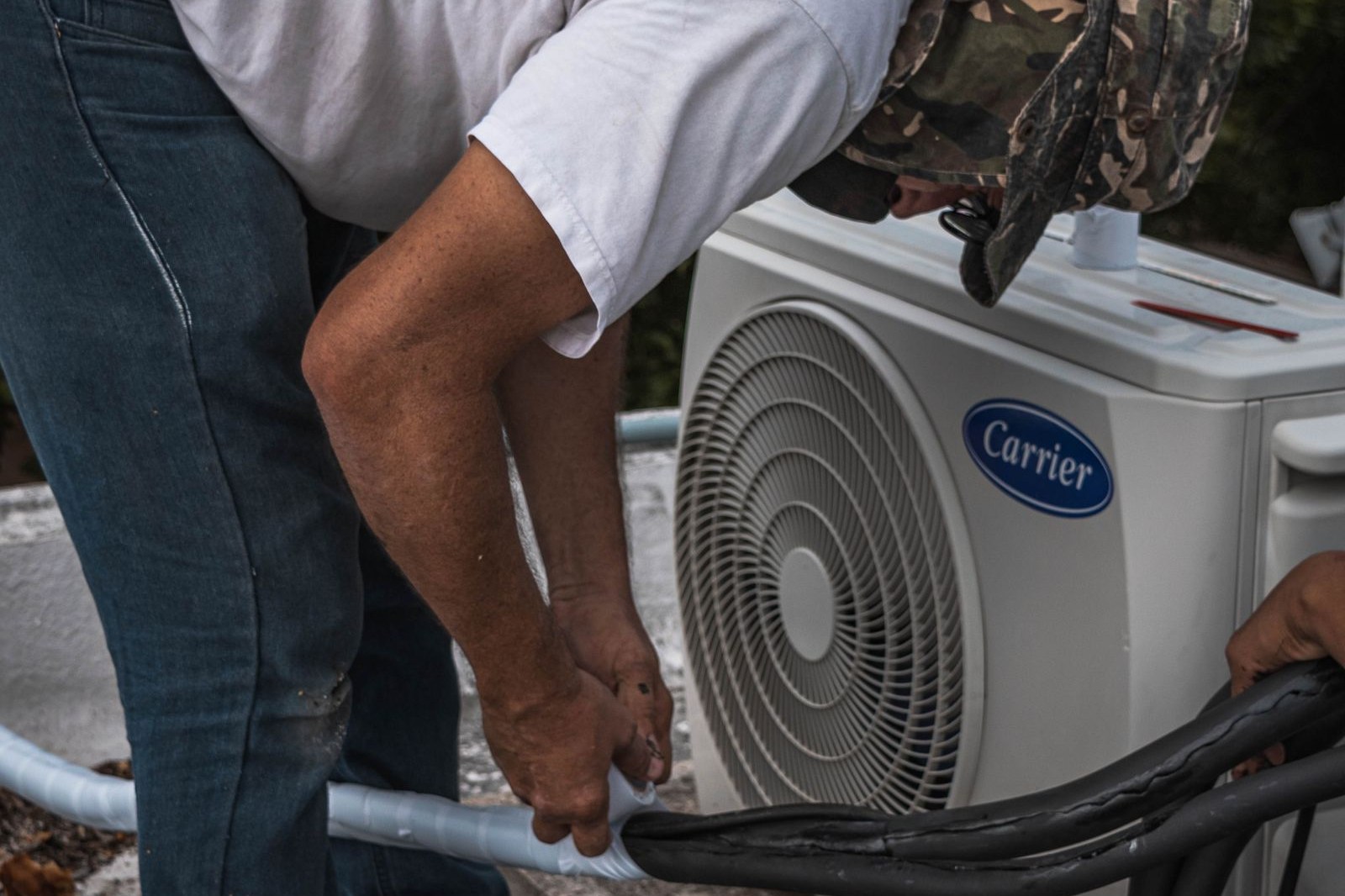
In most of the country, air conditioning is seasonal. In Florida, it is a way of life: the system runs most of the year, through humidity that never really leaves and summers that punish weak equipment. So when it breaks, two questions arrive together — how fast can it be fixed, and what will it cost? Here is an honest picture of AC repair prices in Florida, what drives them, and how to judge a quote without being an HVAC expert.
The diagnostic visit comes first
Almost every AC repair starts with a diagnostic visit: a technician inspects the system, tests components, and identifies the failed part. Many companies charge a diagnostic or service-call fee for this visit, and many credit it toward the repair if you go ahead — ask before booking, because policies differ. A company that quotes a repair price over the phone without seeing the system is guessing; a real diagnosis takes measurements, not just a description of the noise it makes. Be wary of any quote that skips this step entirely.
Typical ranges for common repairs
These are broad, hedged ranges — your system, its age and your market all move the number. Small electrical parts are usually the cheapest fixes: a failed capacitor or contactor, the two most common culprits when a unit hums but will not start, typically falls in the lower hundreds including labor. A thermostat replacement is in a similar range, more if you upgrade to a smart or communicating model. A blower or condenser fan motor is a mid-range repair, with the motor itself a large share of the bill. Refrigerant work costs more, and for a reason: the technician must find and fix the leak first, because refrigerant is not a consumable that simply runs out — a system that needs topping up every year has a leak, and refilling without repairing it is money poured into the air. Compressor replacement is the big one: often the most expensive single repair, and on an older system it can approach the cost of a new unit, which is when the repair-or-replace conversation gets serious. Drain-line clearing and condensate pump replacement are usually among the smaller jobs, though a clogged drain that has already caused water damage is a different bill entirely.
Why Florida jobs cost what they do
- Year-round runtime. A Florida system may run three times as many hours as one up north, so parts wear faster and failures cluster in the hottest months, when every technician is booked solid.
- Salt air and humidity. Coastal air corrodes outdoor coils, cabinets and electrical connections faster than inland climates, and humidity makes condensate drains work constantly — both show up as repairs.
- Emergency timing. A dead AC in a Florida July is a health issue for children, elderly residents and pets, not just a comfort issue. After-hours and weekend calls carry a premium, and during heat waves the premium may apply more broadly.
- System type. A basic single-stage system is cheaper to repair than a variable-speed or multi-zone system with communicating controls and proprietary parts. More efficient equipment saves energy, but its parts cost more when they fail.
- Age and parts availability. Parts for a five-year-old system are usually easy to get. Parts for a twenty-year-old system may be discontinued, back-ordered, or available only at a premium — and a repair that waits on parts in August is its own kind of expensive.
Repair or replace? The honest test
Most technicians use a version of the same rule: compare the repair quote against the cost of a new system, and weigh the age of the old one. A modest repair on a system under ten years old is usually money well spent. A major repair — especially a compressor — on a system past fifteen years, with a history of breakdowns and rising energy bills, is often the first of several bills, and replacement starts to win. Also consider efficiency: a new system typically uses noticeably less energy than one from fifteen years ago, and in a state where the AC runs most of the year, that difference adds up month after month. If a technician pushes replacement for a young system with a small fault, get a second opinion; if one insists on repairing a failing compressor on a twenty-year-old unit without mentioning replacement, get one too.
How to compare quotes fairly
- Get the diagnosis in writing: which part failed, and what caused it to fail.
- Ask whether the quote is flat or hourly, and whether the diagnostic fee is credited.
- Ask what the warranty covers — the part, the labor, or both — and for how long.
- Ask whether the price includes refrigerant, and if a leak was found, whether the quote covers finding and fixing it, not just refilling.
- Check licensing and insurance, and be cautious of any company that demands full payment upfront.
- For a big quote, get a second opinion. Two honest diagnoses should mostly agree; if they do not, the disagreement itself is useful information.
What you can check before calling
A few free checks save a service call more often than people expect. Make sure the thermostat is set to Cool with a temperature below the room temperature, and replace its batteries if it has them. Check the breaker — a tripped breaker is a two-minute fix. Change a clogged filter, which can shut a system down or freeze its coil. Clear leaves and debris from around the outdoor unit. If the system still will not run after those checks, you have useful information for the technician — and you have ruled out the simple stuff honestly.
The bottom line
Florida AC repairs range from a modest electrical fix to a major component replacement, and the fair price depends on the failed part, the system's age and the timing of the call. Get the diagnosis in writing, compare what is included, and do not let a heat-wave emergency rush you into a replacement you have not had time to consider. For a written quote on your own system, see Twice-a-Year HVAC Maintenance Checklist shows the routine that keeps systems alive through Florida summers.