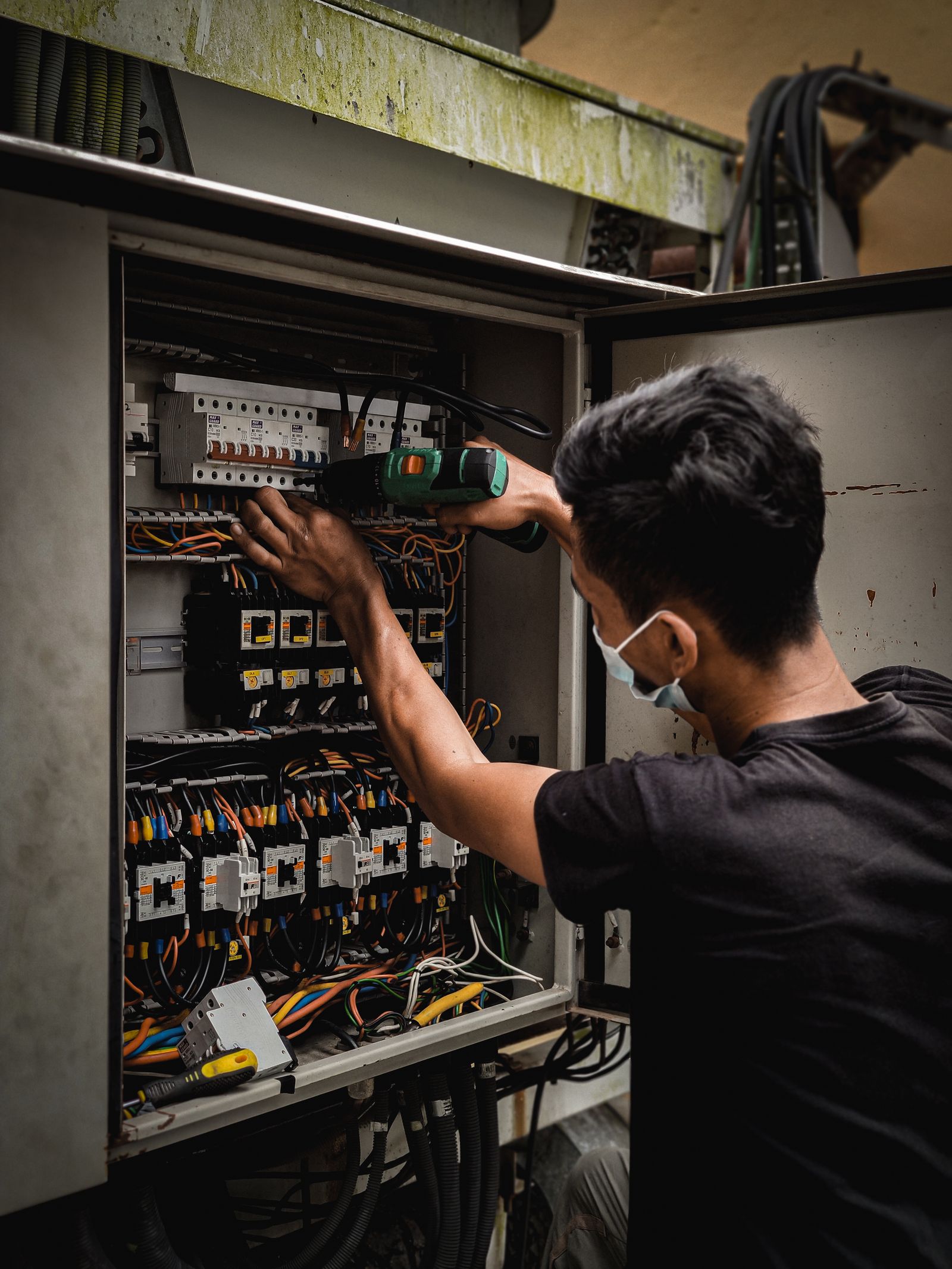
Rewiring a house is not a repair. It is a rebuild of the electrical system behind your walls: new cable, new outlets and switches, a modern panel, and grounding and safety devices that older wiring simply never had. It is also one of the most widely priced jobs in home improvement, with quotes that can differ by thousands of dollars for the same house. That spread is not always overcharging — cost depends heavily on home size, wiring access, and what the electrician finds once walls are opened. Understanding those drivers is the difference between a fair quote and a shock.
What a full rewire actually includes
A full rewire replaces the old branch-circuit wiring throughout the home — the cables running from the panel to every outlet, switch and light fixture. It usually includes a new or upgraded electrical panel, grounded three-prong outlets in place of old two-prong ones, arc-fault and ground-fault protection where modern code requires it, and new devices throughout. What it does not automatically include is wall repair: after the electrician opens walls and ceilings to run cable, patching, plastering and repainting are often a separate cost, either by the electrician's crew or by a drywall contractor. Ask explicitly whether a quote includes making the walls good again, because that line item can be a large share of the total project cost.
Typical cost ranges by home size
These are broad, hedged ranges for a full rewire, not quotes — your market, your home's construction and the condition of the existing system all move the number. A small home or apartment, roughly one to two bedrooms, typically falls in the low-to-mid four figures for the electrical work alone. A mid-size three-bedroom home typically lands in the mid-to-high four figures, and a larger home with four or more bedrooms, multiple living areas and a long cable run typically runs into five figures. Homes with knob-and-tube or aluminum wiring, which require more careful removal and replacement, tend to sit at the higher end of their size range. A partial rewire — one floor, one addition, or a single circuit system such as a kitchen — is a much smaller job, typically a fraction of a full rewire, and is often the right answer when only part of the system is old.
What moves the price most
- Size and circuit count. More rooms, more outlets and more circuits mean more cable, more devices and more labor. A home with a workshop, a home office and a laundry room has more circuits than a simple two-bedroom of the same floor area.
- Access. This is the biggest labor driver. Open attics, basements and crawl spaces let an electrician fish cable with few holes. A slab-on-grade home with no attic access, or a home with plaster-and-lath walls, needs far more cutting and patching, and the price reflects it.
- The panel. Many rewires include a panel upgrade, since an old fuse box or small 60-amp panel cannot serve a modern home. Do it at the same time if needed — the crew is already there.
- Old wiring type. Knob-and-tube wiring, common in homes built before the 1950s, often runs through inaccessible cavities and may be buried in insulation, which complicates removal. Aluminum branch wiring from the 1960s and 1970s needs special handling and approved connectors. Both add time.
- Permits and inspection. A full rewire is permit work in most jurisdictions, and permit and inspection fees belong in a proper quote. A quote that skips permits is not cheaper — it is incomplete.
- Finishes. Plaster repair, repainting and restoring trim after the work are real costs; some electricians include basic patching, but full restoration to a paint-ready finish is often separate.
Signs your house may need rewiring
Not every old house needs a full rewire, and a good electrician will say so. The signs that point that way include frequent breaker trips or blown fuses, lights that dim when an appliance starts, outlets that are warm to the touch or show scorch marks, a persistent burning smell near outlets, two-prong outlets throughout the home, and a fuse box rather than a breaker panel. Aluminum wiring and knob-and-tube wiring are themselves reasons to get an assessment, since insurers increasingly ask about them. Our guide 5 Electrical Problems You Should Never Ignore covers these warning signs in detail, and Why Does My Circuit Breaker Keep Tripping? explains the most common early symptom.
Full rewire vs partial rewire
A partial rewire makes sense when the old wiring is confined to one area — a kitchen remodel, an addition, or one floor of a home where the rest was already updated. It costs far less, disrupts far less, and brings the worked-on circuits up to current code. A full rewire makes sense when the old wiring is everywhere, when you are renovating the whole house anyway and the walls are already open, or when an insurer or a home sale requires it. The middle case — old wiring throughout but a limited budget — is where phasing helps: many electricians will rewire the highest-risk circuits first, such as kitchens, bathrooms and bedrooms, and schedule the rest in a later phase. Ask whether phasing is possible before committing to an all-at-once price.
How to compare quotes fairly
- Get two or three written quotes that list the number of circuits, the panel work, the device count, and whether wall repair is included.
- Ask whether the quote covers permits, inspection fees and disposal of old material.
- Ask how the crew will access the wiring, and how many holes to expect — access method is the main reason quotes differ.
- Confirm the electrician is licensed and insured, and that the work will be inspected.
- Ask what happens if hidden conditions are found — old wiring buried in insulation, for example — and how extras are priced before work starts.
- Compare scope, not just total. A cheaper quote that leaves out the panel, the permits or the wall repair is not cheaper.
The bottom line
A house rewire typically costs from the low four figures for a small home to five figures for a large one, and the spread is mostly about size, access and what is hiding in the walls. Get the scope in writing, confirm permits and inspection, and settle the wall-repair question before work starts — those three steps prevent most rewire surprises. For an assessment of your own home's wiring, see Reading only gets you so far. Talk to a reviewed local pro, get a written quote, and pay the business directly — this platform never takes advance payments.Need a electrical pro?