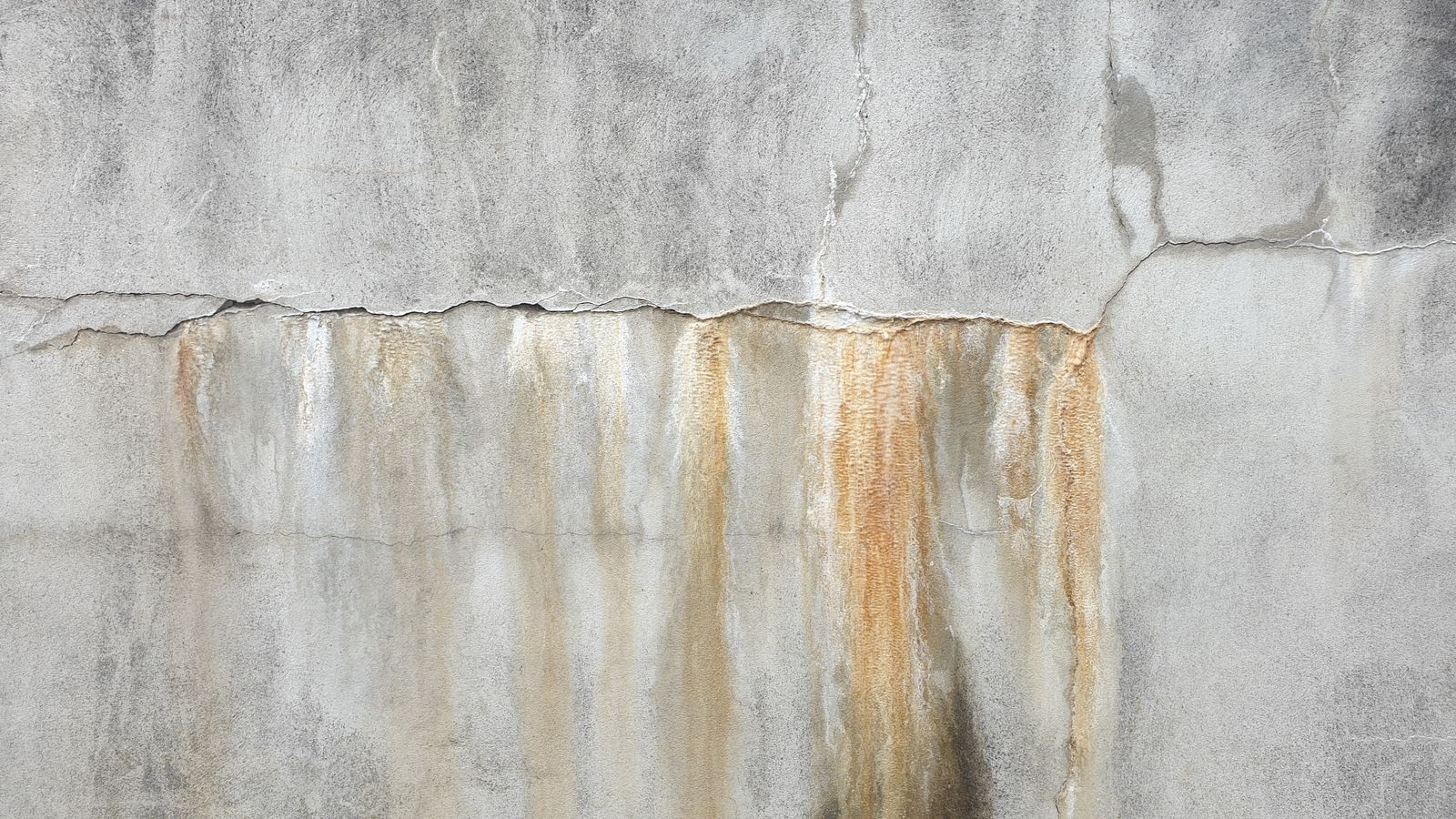
Most water leaks are not dramatic: a slow drip behind a wall or under a floor quietly soaks drywall, feeds mold and runs up the water bill for weeks or months before anyone notices — and by the time the damage is visible, the repair is often much bigger than the leak itself. Hidden leaks almost always leave clues, though. They are subtle, but they are consistent — here are the seven signs that catch most of them early.
1. A water bill that jumps for no reason
This is the single most reliable early warning. If your usage has not changed — no new occupants, no new lawn watering, no filled pool — but the bill climbs noticeably for a month or two running, water is going somewhere you cannot see. A running toilet can waste a surprising amount, so rule that out first, but a bill that stays high after the obvious causes are checked is a strong case for a hidden leak. Compare the current bill with the same period last year rather than last month, since seasonal use changes the baseline.
2. Stains on walls or ceilings
Yellow, brown or copper-colored stains on a ceiling or wall are the classic sign. They often appear below a bathroom, a kitchen or a laundry room, and they may grow slowly or darken after rain or after water use upstairs. A stain that returns after repainting is telling you the source is still active — paint covers the symptom, not the leak. Note where the stain sits relative to fixtures above it, since water travels along framing before it shows, and the visible mark is often some distance from the actual fault.
3. Paint or wallpaper that bubbles, peels or cracks
Moisture behind a finished surface weakens the bond between paint or wallpaper and the wall beneath it. Bubbling, blistering, peeling or hairline cracking in one patch — especially near a bathroom, under a window, or low on a wall — is worth investigating even if the surface feels dry to the touch. The same applies to plaster that feels soft or crumbly in one spot while the rest of the wall is firm. Do not sand or scrape it away and forget it; the surface is reporting a problem underneath.
4. A musty smell that will not go away
A persistent damp, earthy smell in a room, a closet or a cabinet — one that survives cleaning and airing — often means moisture trapped inside a wall cavity, under flooring or in insulation. Mold can begin growing on damp materials within a day or two of sustained wetness, and the smell is frequently noticeable before any mold is visible. If the smell is strongest in one area, start there: check under sinks, around the base of toilets, behind washing machines and inside seldom-opened cabinets.
5. Warped, buckled or soft flooring
Water under flooring shows up as cupped hardwood boards, laminate that lifts at the seams, tiles that loosen, or a floor that feels soft or spongy underfoot in one area. Vinyl and tile can hide a surprising amount of water beneath them, so a floor that sounds hollow or feels uneven where it did not before deserves attention. Check the rooms adjacent to bathrooms, kitchens and laundry areas first, and look at baseboards in the same area — swelling or staining at the bottom of a baseboard is a companion clue.
6. The sound of running water when nothing is on
In a quiet house, with all taps closed and no appliance running, you should hear nothing from the pipes. A faint hissing, trickling or dripping sound inside a wall is a strong indicator of a pressurized leak. This is easiest to check late at night when the house is still. If you hear it consistently in one spot, do not ignore it because it is quiet — a small pressurized leak runs around the clock and does steady damage.
7. Low pressure, or a meter that moves when it should not
A gradual drop in water pressure at one fixture can mean a leak is diverting water before it arrives, though mineral buildup and fixture problems cause the same symptom, so treat it as a clue rather than proof. The decisive test is the water meter: turn off every tap and appliance, note the meter reading, wait an hour or two without using any water, and read it again. If it has moved, water is leaving the system somewhere. That test costs nothing and settles the question of whether a leak exists, even if finding it still needs a professional.
What to do when you find a sign
- Start with the meter test above to confirm whether water is actually being lost.
- Check the easy sources first: running toilets, dripping taps, supply lines to toilets and washing machines, and the water heater.
- Photograph stains, warped flooring and meter readings — useful for the plumber and for any insurance claim.
- If a ceiling is sagging or a wall is saturated, keep clear of the area and move valuables away; a waterlogged ceiling can fail.
- Do not cut into a damp wall yourself to look for the leak — wiring and pipes share those cavities, and opening a wall without knowing what is inside is a safety risk.
- If you cannot find the source, call a plumber who does leak detection. Acoustic listening equipment, thermal imaging and moisture meters locate most hidden leaks with minimal opening up, which is far cheaper than exploratory demolition.
The bottom line
A hidden leak rarely stays hidden forever — it announces itself through the bill, a stain, a smell, a sound or a soft floor, and each of those clues is cheaper to act on than the damage that follows. Run the meter test, check the easy sources, and get a professional on a leak you cannot find rather than waiting for it to surface. For leak detection and repair, see 7 Signs Your Water Heater Is About to Fail covers the warning signs specific to the tank.
Related guide: Burst Pipe at 2 AM: The First 5 Steps