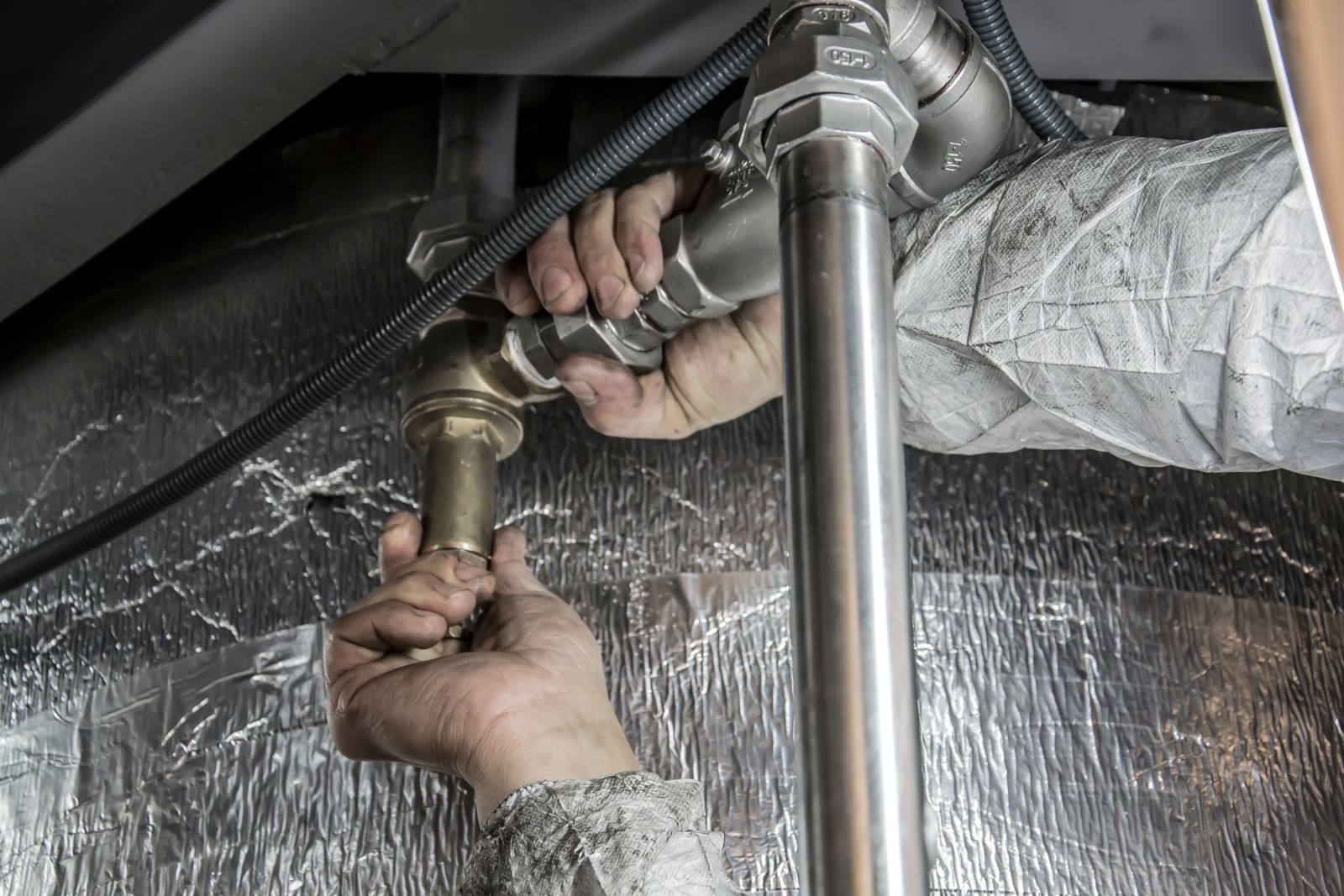
It is 11 PM, something in your house has gone wrong, and you are deciding whether to call someone now or wait until morning. Call too eagerly and you pay an emergency premium for a problem that could have waited. Wait too long on a real emergency and a small problem becomes a flooded floor, a fire risk or a health hazard. The difference comes down to one question: is this causing active damage, creating danger, or removing something you cannot safely live without?
The test: damage, danger, or no essential service
A home emergency is a problem that is actively damaging your home, threatening the safety of the people in it, or cutting off an essential service with no safe workaround. If none of those three is true, the job is urgent or routine — important, but not a midnight call. Keep that test in mind as you run through the list below.
True emergencies: call now
- A burst pipe or major active leak. Water spreads fast through drywall, flooring and framing, and mold can begin within a day or two. Shut off the main water valve first — know where it is before you need it — then call. Our guide Burst Pipe at 2 AM: The First 5 Steps walks through exactly what to do.
- Sewage backing up into the home. Sewage is a health hazard, not just a mess. Stop using water, keep people and pets out of the affected area, and call a plumber now.
- Any smell of gas. Leave the house, do not flip switches or light anything, and call your gas utility or emergency services from outside. This is not a plumber call — it is a get-out call.
- Burning smells, sparking, or a breaker that will not stay on. Electrical faults can start fires inside walls. If you smell burning from an outlet or panel, see scorch marks, or hear buzzing from the panel, turn off the affected circuit if you can do so safely and call an electrician immediately.
- No water at all. A home with no running water cannot flush, cook or wash — that is an essential service gone, and it usually signals a main-line failure or a major leak.
- No heat in freezing weather, or no cooling in extreme heat for vulnerable people. Loss of heating or cooling becomes an emergency when temperatures make the home unsafe — particularly for infants, elderly residents, or anyone with a health condition. A broken air conditioner on a mild evening is uncomfortable; the same failure during a Florida heatwave for an elderly resident is an emergency.
- An active roof leak during a storm. Water pouring in through a ceiling needs immediate mitigation — a tarp or temporary seal — even if the permanent repair waits for dry weather.
- A garage door stuck open, or stuck shut with a car needed. A door that will not close leaves the home unsecured; a door that traps a car you need can be an emergency depending on the situation. A door that is simply noisy is not.
Urgent, but usually safe until morning
- A single clogged toilet or slow drain when other bathrooms work fine. Inconvenient, not dangerous — unless it is the only toilet in the home.
- A dripping faucet or a running toilet. Wasteful and annoying, and worth fixing soon, but a drip that is caught in a bucket overnight does no damage.
- A water heater that has stopped heating. Cold showers are miserable, but the home is not being damaged — unless the heater is also leaking, in which case it moves to the emergency list.
- A tripped breaker that resets and stays on. One trip can be a fluke, often an overloaded circuit. If it trips again, or you cannot identify the cause, get it checked promptly — repeated tripping is a warning sign.
- Minor storm damage with no active leak. Missing shingles or a damaged fence need prompt attention, but if no water is coming in and nothing is structurally unsafe, a daytime inspection is fine.
Not an emergency at all
Cosmetic damage, a squeaky door, a flickering light bulb, a slow drain that still drains, a paint scuff, or a single dead outlet when others work — all routine. These deserve a proper repair, but paying an after-hours premium for them is money wasted. Write them down, and batch them into a single daytime visit.
Before you call anyone
Three quick actions make any emergency cheaper and safer. First, stop the damage if you safely can: shut off the main water valve for a leak, turn off the breaker for an electrical fault, place a bucket under an active drip. Second, take photos of the damage before cleanup — your insurer will want them. Third, know what to tell the dispatcher: what happened, when it started, what you have already shut off, and whether anyone is at risk. A clear description gets you the right trade and a realistic arrival time, not a guessing game.
What emergency service typically costs
After-hours calls usually carry a premium over daytime rates — often an emergency call-out fee plus higher labor rates for nights, weekends and holidays. That premium is legitimate for genuine emergencies: you are paying for someone to be available at 2 AM. It is also why the test at the top of this article matters. If the problem can safely wait until a weekday morning, waiting usually saves a meaningful amount. When you do call, ask for the call-out fee and the rate structure upfront, before the truck rolls, so there are no surprises on the invoice.
When to call 911 instead of a tradesperson
Fire, a strong gas smell, flooding that threatens electrical systems or blocks exits, a structural collapse, or any situation where someone could be hurt — call emergency services first, and a tradesperson second. Tradespeople fix homes; emergency services protect people. If you are unsure which one applies, choose emergency services.
The bottom line
Active water, sewage, gas, fire risk or a lost essential service: call now. Everything else: contain it, photograph it, and call in the morning. Knowing the difference saves you the emergency premium when you do not need it — and gets you help fast when you do. For 24/7 emergency help in Miami, see Reading only gets you so far. Talk to a reviewed local pro, get a written quote, and pay the business directly — this platform never takes advance payments.Need a 24/7 emergency pro?