Every Florida homeowner knows the rhythm: a storm forms far out in the Atlantic, the forecast cone wobbles, and suddenly every hardware store in the county is out of plywood and batteries. The preparation that actually protects a home, though, happens weeks before that scramble — in calm weather, with time to do the job properly. Hurricane season officially runs from June through November, and the homes that come through storms best are rarely the ones with the most expensive upgrades. They are the ones whose owners worked through the weak points one by one, before they were under pressure.
Start with the roof — from the ground
The roof is the first thing wind attacks and the first thing water exploits. Walk the property and look for lifted or missing shingles, cracked flashing around vents and chimneys, and gutters pulling away from the fascia. You do not need to climb up to spot trouble: binoculars from the driveway show most of it. If the roof is older or has already survived a major storm, a professional inspection before the season is money well spent — a roofer can spot the loose edge or failed seal that turns a survivable storm into a ceiling collapse. Our guide How to Spot Storm Damage on Your Roof walks through the same checks in detail. Clear gutters and downspouts too, and make sure downspouts carry water well away from the foundation: in a storm that drops several inches of rain in hours, a clogged gutter becomes a waterfall against your walls.
Windows, doors and the garage door
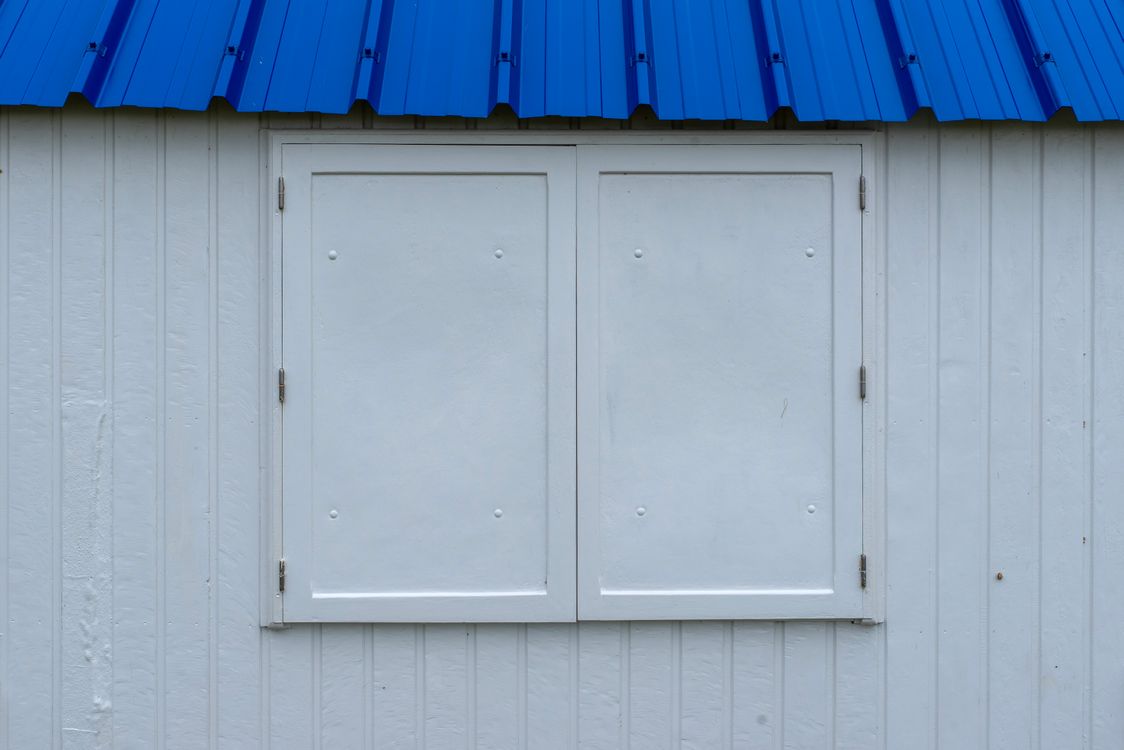
Once wind breaks an opening, pressure builds inside the house and pushes outward on the roof and walls — this is how a broken window becomes structural damage. If you have shutters, find every panel and all the hardware now, label them by window, and test-fit at least one before you need them in a hurry. Plywood is a workable backup, but only if it is cut, labelled and drilled in advance; buying it the day before landfall usually means long queues and a rushed fit. Impact-resistant windows and doors need less seasonal work, but still check their seals and hardware for damage. Do not neglect the garage door: it is the largest opening in most homes, and an unreinforced door can buckle under wind pressure. A bracing kit or a wind-rated door is one of the highest-value upgrades for an older Florida home, and it typically costs far less than the interior damage a failed door allows.
Clear the yard before it becomes ammunition
Anything loose outdoors becomes a projectile in hurricane winds: patio furniture, planters, grills, trampolines, garden tools, and dead branches. Decide now where each item goes when a storm threatens, and make sure the storage space is actually clear. Trim trees back from the roof and from power lines — but hire a professional for anything near a line or above roof height, and never trim during a storm watch when crews are booked solid. Remove dead or diseased limbs well before the season, since those are the first to come down. Check fences too: a leaning fence section will not survive a storm, and it will damage whatever it lands on. Drainage matters as well — clear storm drains near the property, and if the yard ponds after ordinary rain, consider a drainage fix before the season rather than after the first flood.
Power, water and the inside of the home
Power outages are the most common hurricane consequence, and they can last days. If you own a generator, test it before the season, keep fresh fuel stored safely, and never run it indoors or in a garage — carbon monoxide from generators injures people every storm season. Know which circuits power the essentials: refrigerator, a few lights, phones, and any medical equipment. Stock the household kit early: drinking water for at least several days, non-perishable food, medications, batteries, flashlights, a battery or hand-crank radio, phone chargers, and cash, since card readers fail when power and networks go down. Photograph every room and the outside of the house before the season — a dated record of the home's condition makes any insurance claim far smoother. Keep copies of policies, identification and service contacts in a waterproof bag and, ideally, in a second location outside the home.
Know your evacuation zone and your insurance
Check your evacuation zone through your county's official resource before any storm is forecast, and know the route you would take and where you would go. Evacuation orders are issued by zone, not by how strong the storm looks on television, and roads clog fast once an order is given — leaving early is always easier than leaving late. Review your homeowners and flood policies now, not after damage: standard homeowners policies typically do not cover flooding, and flood insurance often has a waiting period before it takes effect, so a policy bought during a storm watch may not help with that storm. Note your deductibles, including any separate hurricane deductible, and keep your insurer's claims number with the rest of the paperwork. If you rent, confirm what your landlord covers and what falls to you.
After the storm: safety before cleanup
When the storm passes, the danger is not over. Stay clear of downed power lines and flooded roads — shallow-looking floodwater can hide open drains, debris and live electrical hazards, and it is often contaminated. Photograph all damage before you move or clean anything, and make only temporary repairs to prevent further damage, such as tarping a roof opening; keep receipts for everything, since insurers typically reimburse reasonable emergency repairs. Run the generator only outdoors, away from windows and doors. If water entered the home, start drying promptly to limit mold growth, but do not enter rooms with sagging ceilings or standing water near electrical systems — call a professional first. Our guide What Counts as a Home Emergency? helps sort what needs an immediate call from what can wait for a weekday visit.
The bottom line
Hurricane preparation is mostly a checklist done early: roof checked, openings protected, yard cleared, supplies stocked, zone known, insurance reviewed, and the home photographed. None of it requires a storm to justify it, and all of it is cheaper and calmer in May than in September. Do the work once, review it each spring, and when a storm does come, you will be the household that is ready instead of the one in the plywood queue. For help with roof, drainage or emergency repairs in Miami, see Reading only gets you so far. Talk to a reviewed local pro, get a written quote, and pay the business directly — this platform never takes advance payments.Need a 24/7 emergency pro?