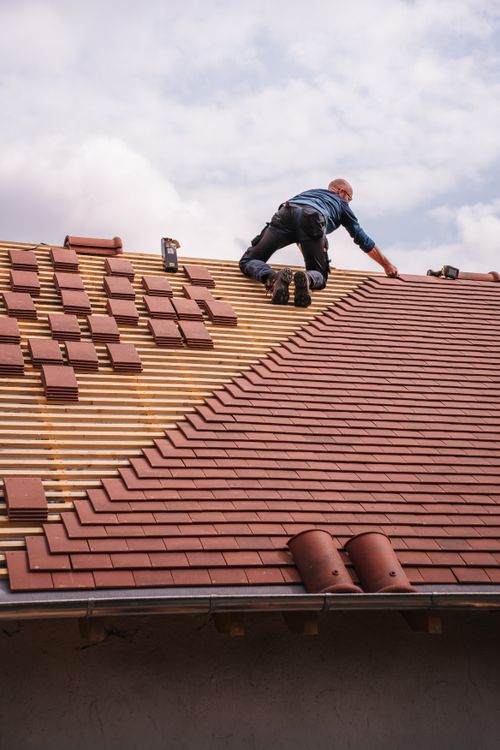
Florida homeowners with an aging roof often hear two very different pitches. One contractor recommends a coating: a liquid membrane rolled or sprayed over the existing roof, promising years of extra life at a fraction of replacement cost. Another says the roof is done and only a full replacement will do. Both can be right — for different roofs. The honest answer depends on the roof's structure, its drainage, and how much life is genuinely left in it. Understanding the difference before anyone climbs a ladder is the best protection against paying for a coating that peels in two years, or a replacement you did not yet need.
What a roof coating actually is
A coating is not paint, though it looks like it going on. It is a thick, flexible membrane — usually silicone, acrylic or polyurethane — applied in layers over an existing roof, most often a flat or low-slope roof, metal roof, or a modified bitumen system. Once cured, it forms a seamless waterproof skin that reflects sunlight, seals small cracks and seams, and protects the roof surface from ultraviolet damage and ponding water. A well-applied coating on a sound roof can extend its service life by many years, and because it is reflective, it can also lower cooling costs in a Florida summer — a real benefit under the state's sun. Coatings are also far less disruptive than replacement: no tear-off, no dumpster, no days of noise and debris, and the building usually stays in use throughout.
When coating is the right call
Coating makes sense when the roof structure is sound, leaks are minor and localised, and the underlying material still has integrity — a flat roof with sound seams and a few patched areas, a metal roof with surface rust but solid panels, or a roof that is aging but not failing. It is also a strong choice when budget or timing matters: coating typically costs a fraction of replacement, often in the low thousands of dollars for an average home depending on roof size and condition, and it buys time to plan a replacement properly rather than rushing one after a leak. Good candidates also have working drainage — coatings tolerate brief ponding, but standing water that never drains will defeat even a good silicone system eventually. Ask any contractor proposing a coating to show you, in writing, the roof's remaining life they are assuming and the warranty length on both material and labor.
When replacement is the honest answer
Some roofs cannot be coated into health. If the decking underneath is rotted or sagging, if leaks are widespread rather than localised, if there are multiple failed layers already stacked on the roof, or if the roof has reached the end of its rated life with brittle, crumbling material, a coating seals the problem in rather than solving it — and the leak will return, often worse, behind a membrane that hides it. Florida building rules also limit how many roof layers a building can carry, so a roof that already has two layers may have no legal room for another system on top. Structural issues, persistent ponding caused by a sagging deck, and damage from a storm that has compromised large sections are all replacement territory. A contractor who recommends a coating without inspecting the deck, checking for soft spots, or discussing drainage has not done the diagnosis the decision requires.
What each option typically costs
Prices vary widely with roof size, slope, material and access, so treat any figure as a range, not a quote. A coating job on a typical Florida home often lands in the low-to-mid thousands of dollars, with the price rising for larger roofs, extensive preparation, or premium silicone systems. A full replacement is a different order of magnitude: many homeowners pay well into five figures, with the final number driven by roof size, the chosen material, decking repairs found during tear-off, and code-required upgrades such as improved fastening or secondary water barriers. That gap is exactly why the diagnosis matters so much — paying for a coating on a roof that needs replacement wastes the coating money and delays the inevitable, while replacing a roof that had a decade left in it wastes far more. Get both options priced, in writing, from the same contractor where possible, and ask what each price assumes about decking condition.
Florida details that change the answer
Florida's climate is unusually hard on roofs: intense ultraviolet exposure, driving rain, hurricane winds, and high humidity that feeds mold and algae. A coating's reflectivity is a genuine advantage here, but so is a replacement done to current wind code, with proper fastening patterns and a sealed roof deck that limits water entry even if shingles are lost in a storm. Insurance is another Florida factor: some insurers view an aging roof skeptically regardless of coating, and a new roof to current code can improve insurability and sometimes premiums, while a coating alone may not change an insurer's view. Permits matter too — replacement work generally requires a permit and inspection, while coatings often do not, which is convenient but also means less independent oversight of the work. Whatever you choose, verify the contractor's license before signing, as our guide How to Check a Contractor's License in Florida explains.
Questions to ask before you decide
Ask every contractor the same five questions: What is the condition of the decking, and how did you check it? What preparation will you do before coating or tearing off? What exactly does the warranty cover, for how long, and who honors it — the manufacturer, the contractor, or both? Will you handle permits and inspections, and are those costs in the quote? And what happens if tear-off reveals rotted decking — at what price per sheet is it replaced? A contractor who answers clearly, puts it in writing, and shows you photos of your roof's actual condition is one you can trust with either decision. One who pressures you to decide on the spot, offers a today-only price, or cannot explain why coating or replacement fits your roof specifically is one to walk away from.
The bottom line
Coating is a smart, economical move for a sound roof with years left in it and good drainage. Replacement is the right move for a roof whose structure or material is finished, or where code, insurance or widespread failure leaves no good alternative. The roof itself, honestly inspected, makes the decision — your job is to make sure the inspection actually happens before the contract is signed. For a local roof assessment, see Reading only gets you so far. Talk to a reviewed local pro, get a written quote, and pay the business directly — this platform never takes advance payments.Need a roofing pro?