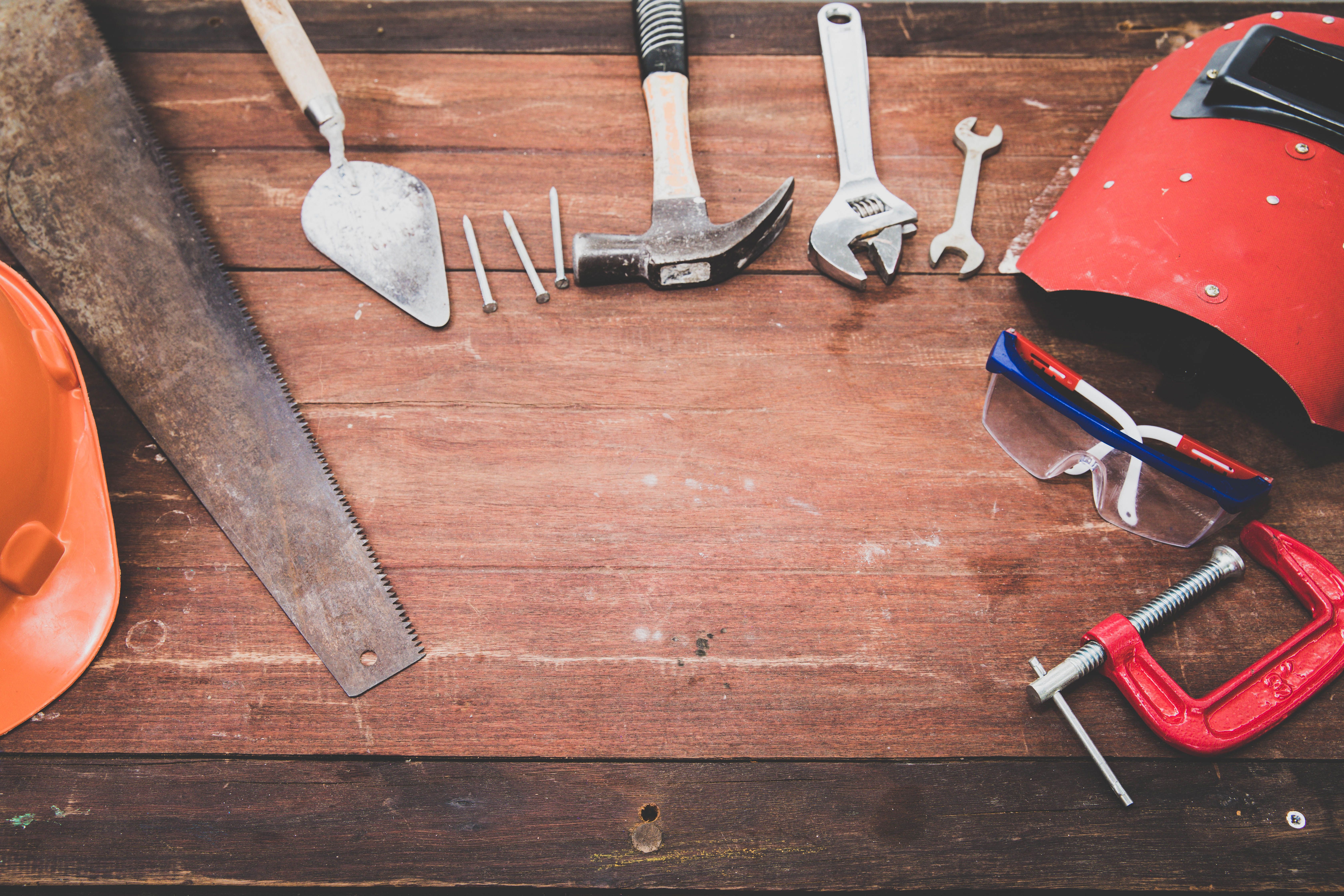
There is real satisfaction in fixing something with your own hands, and plenty of home jobs reward it: painting, patching drywall, replacing a faucet, unclogging a drain, swapping a light fixture on an existing circuit. The eight jobs below are the ones professionals most often get called to rescue after a DIY attempt, and the pattern is consistent: the danger was not obvious at the start, and the cost of fixing the attempt exceeded the cost of hiring the pro in the first place.
1. Electrical panel work and new wiring
Swapping a light switch on an existing circuit is one thing. Opening a panel, adding a circuit, or running new wiring is another entirely. Panel work involves high-current conductors that stay live even with individual breakers off, and mistakes — an undersized wire, a loose connection, a missing ground — can smolder inside a wall for months before they show themselves as a fire. Electrical work is also heavily code-regulated, and unpermitted work can void insurance coverage and complicate a home sale. If your panel trips repeatedly or you need new circuits, the diagnosis in Why Does My Circuit Breaker Keep Tripping? is worth reading before anyone touches the panel — and that anyone should be a licensed electrician.
2. Gas lines and gas appliances
Gas work has almost no margin for error. A small leak at a fitting can fill a room with an explosive mixture, and gas is odorless in its natural state — the smell is added precisely so leaks are detectable, which tells you how seriously the risk is taken. Installing, moving, or repairing gas piping, and connecting gas ranges, dryers, water heaters, or furnaces, requires pressure testing, proper materials, and permits in most jurisdictions. A mistake may not announce itself for days. This is a job where the permit and the professional are not bureaucracy; they are the safety system.
3. Roof work beyond a visual check
Roofs combine three hazards: height, slope, and weather. Falls from roofs are a leading cause of serious home-injury, and that risk exists before any repair skill enters the picture. Beyond safety, roof repairs are easy to get subtly wrong — a patch that traps water, flashing installed in the wrong order, shingles nailed through the wrong place — and the failure shows up months later as a leak in a different room. Inspect from the ground with binoculars, as our guide How to Spot Storm Damage on Your Roof explains, and leave the climbing and the repair to a roofer.
4. Sewer line and major plumbing work
Clearing a simple drain clog is a fine DIY job. Replacing a sewer line, repiping a home, or moving plumbing is not. Sewer work involves excavation, slope calculations that determine whether waste actually flows, and contaminated water. A sewer line laid at the wrong slope backs up repeatedly and can cost many times the original job to redo. Repiping involves water pressure, material compatibility, and code compliance across the whole house.
5. HVAC refrigerant and electrical work
Air conditioning systems run on refrigerant under high pressure, with electrical components carrying significant current. Refrigerant handling is regulated — it requires certification, recovery equipment, and proper disposal — and releasing it is both illegal and environmentally harmful. Beyond the legal side, an overcharged or undercharged system cools poorly, ices up, and can destroy a compressor worth more than the service call you skipped. Electrical faults in an air handler or condenser are similarly unforgiving. Filters, thermostat settings, and clearing debris around the outdoor unit are good homeowner jobs; anything involving refrigerant lines, capacitors, or control boards is not.
6. Removing or altering load-bearing walls
Open-plan living tempts many homeowners to remove a wall, and the wall that looks like a simple partition is sometimes holding up the floor above. Removing a load-bearing wall without a properly sized beam and supports can cause sagging floors, cracked ceilings, and in the worst case structural failure — damage that develops gradually and is expensive to reverse. Determining whether a wall is load-bearing requires understanding the framing above and below it, and the replacement beam requires engineering, not guesswork.
7. Large-scale mold remediation
A small spot of surface mold is manageable, as explained in our guide on mold after a leak. A large colony, mold inside walls or ductwork, or mold following a flood is a different job: disturbing it without containment spreads spores through the house, and cutting into moldy drywall without protection exposes the person doing it to a concentrated dose. Large remediation also involves moisture mapping, removal of porous materials, and verified drying — steps that determine whether the mold actually stays gone. If the affected area is large, hidden, or tied to contaminated water, this is professional work, full stop.
8. Garage door spring replacement
Garage door springs are the most underestimated hazard in a typical home. A torsion spring stores an enormous amount of energy — enough to lift a door weighing hundreds of pounds — and releasing it incorrectly can cause severe injury in a fraction of a second. Unlike most home repairs, there is no forgiving version of this mistake. Professionals carry the right tools, know the spring specifications for the door's weight, and replace springs in pairs so the door stays balanced. If your door is heavy to lift, slams shut, or has a visibly broken spring, do not attempt it. Our guide Garage Door Won't Open? 6 Common Causes can help you identify the problem safely from the ground.
What is genuinely safe to DIY
None of this means leaving every tool in the drawer. Painting, caulking, weatherstripping, replacing a faucet or a toilet flapper, patching small drywall holes, swapping an existing light fixture or outlet cover, cleaning gutters from a stable ladder at a safe height, and basic lawn and exterior maintenance are all reasonable homeowner jobs — provided the power is off where electricity is involved and the ladder is on solid ground. The line is consistent: if the job can flood the house, burn it, drop it, poison the air, or injure you in a second, it belongs to someone trained, equipped, and insured for it. When you do hire, our guide 10 Questions to Ask Before Hiring Any Home Pro covers how to vet them properly.
The bottom line
DIY saves money when the job is visible, low-risk, and reversible. The eight jobs above are none of those things: their failures hide inside walls, roofs, and panels until they become emergencies. Knowing which side of the line a job falls on is itself a homeowner skill — and the cheapest repair is often the professional one you hired before the DIY attempt. If something has already gone wrong and you need help now, see Reading only gets you so far. Talk to a reviewed local pro, get a written quote, and pay the business directly — this platform never takes advance payments.Need a 24/7 emergency pro?