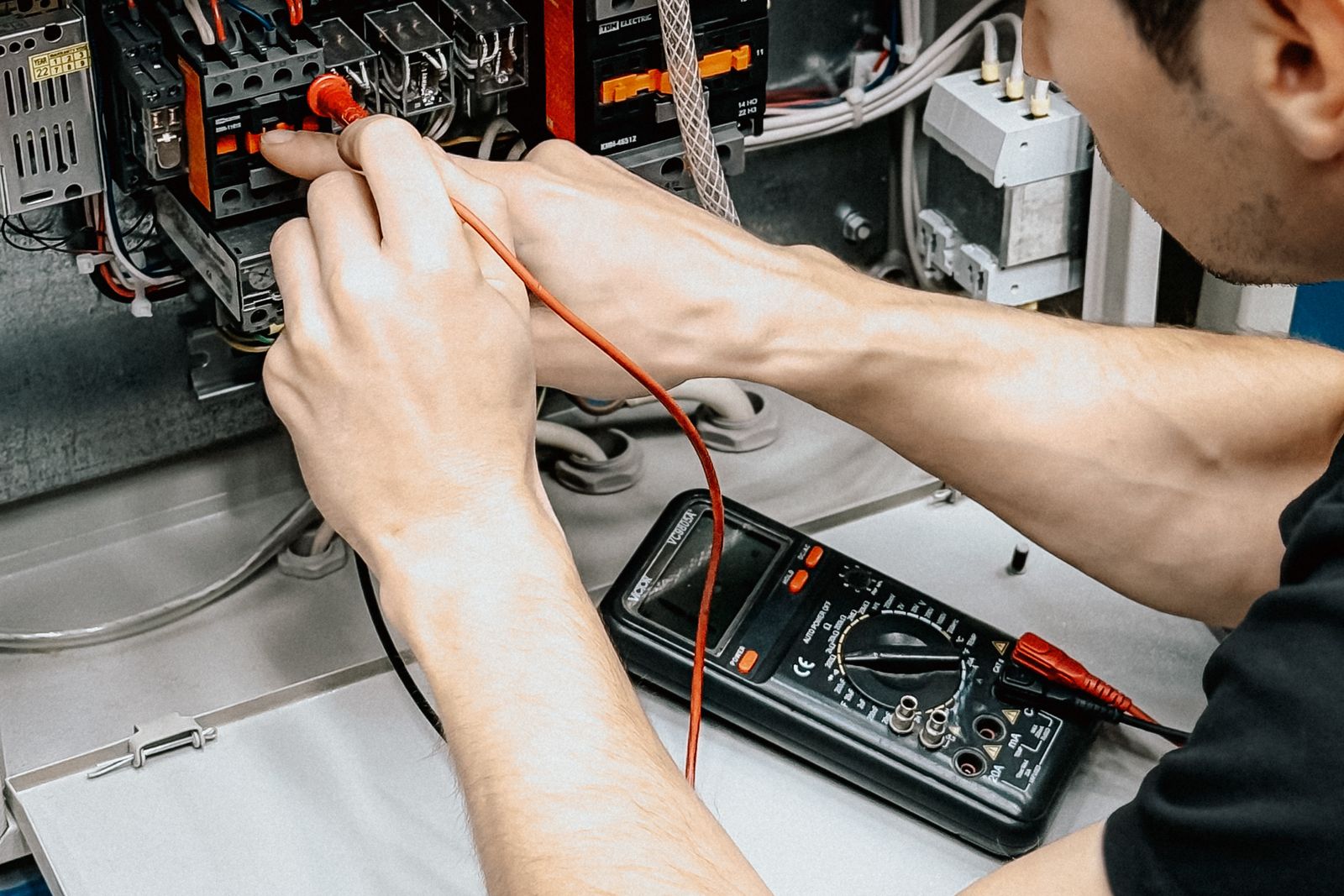
Electrical work is the most invisible work in your home. Once the drywall is back up, you cannot see whether a wire is the right size, a connection is tight, or a circuit is grounded properly — you can only live with the result. That is why choosing an electrician is different from choosing a painter or a landscaper. The job is not just the work you can see; it is the work hidden inside your walls for the next twenty years. Here is how to check the license, read the quote, and hire well.
Start with the license — and verify it yourself
Florida licenses electrical contractors at the state level through the Department of Business and Professional Regulation, and the license is what separates a professional from someone with a truck and a toolbox. In Florida, a certified electrical contractor holds a statewide license, while a registered contractor is licensed locally in a specific county — either way, the name on the license should match the name on the quote. Ask for the license number, then look it up yourself on the state's license verification site, MyFloridaLicense.com, before anyone touches your panel. The lookup takes a minute and shows whether the license is current and whether there is any disciplinary history. If the number does not come up, belongs to someone else, or the electrician will not give it to you, that is your answer — move on.
Insurance and permits are not optional extras
Two documents matter as much as the license. The first is insurance: a legitimate electrician carries general liability insurance and workers' compensation coverage for anyone they send into your home, and should be willing to show you a current certificate of insurance before work starts. If an uninsured worker is injured on your property, or uninsured work damages your home, the bill can land on you. The second is the permit. Most Florida jurisdictions require a permit for panel changes, service upgrades, new circuits, and rewiring — and the permit is what triggers the inspection that confirms the work is safe. Be wary of any electrician who suggests skipping the permit, or who asks you to pull it yourself — a professional pulls their own permits as a matter of routine.
Get three written quotes — and compare the same job
For anything beyond a small repair, get at least three quotes, and make sure each electrician is quoting the same job. Write down the scope yourself — which circuits, which fixtures, which panel work — and hand the same description to each of them. A useful quote is itemized: labor, materials, permit fees, and any diagnostic or service-call fee listed separately. Many companies charge a diagnostic fee for the visit itself, often in the $50 to $150 range, and many credit that fee toward the repair if you go ahead — ask upfront, so the fee is not a surprise. For hourly work, many homeowners pay roughly $75 to $150 an hour for a licensed electrician in Florida. What matters is not the lowest number but what it includes: a quote hundreds less than the others usually leaves something out. If one quote is far higher or lower than the others, ask the electrician to walk you through it line by line — the one who can explain theirs usually did the work.
Questions that separate pros from pretenders
A short conversation before hiring tells you almost everything. Ask how long they have done this kind of work — a panel upgrade, a rewire, and a lighting install are different jobs. Ask who will actually do the work: the licensed electrician you are talking to, an employee, or a subcontractor, and whether that person is licensed too. Ask how long the job will take, what happens if they find something unexpected inside a wall, and what warranty they offer on labor — a written warranty of at least a year on workmanship is a reasonable expectation. Ask for two recent references for similar jobs, and actually call them.
Warning signs to walk away from
Some signs should end the conversation on the spot. No license number, or a number that does not verify. No proof of insurance. A quote given only verbally, or a demand for full payment upfront — a deposit for materials is normal; full payment before work starts is not. Pressure to decide today, or a price that is only good if you sign now. A request that you pull the permit, or a suggestion to skip it. An electrician who diagnoses the problem from the driveway without opening the panel or testing anything. And a price far below the other quotes, which usually means corners, unlicensed help, or a bill that grows once the work has started. One warning sign on its own can be a misunderstanding; two or three together are a pattern. If your panel keeps tripping or you smell burning near an outlet, call a licensed electrician promptly — those are symptoms, not quirks.
After the work: inspect, test, keep the paperwork
Good hiring does not end when the electrician leaves. Before you pay the final balance, test everything the job touched: every outlet, every switch, every breaker, and the new panel labels. Ask for the inspection sign-off if a permit was pulled, and keep it with the quote, the invoice, and the warranty in one folder — future buyers, insurers, and the next electrician will all ask for it. If the work was a panel upgrade or a rewire, the panel labels should be accurate and legible. And if something does not feel right — a breaker that trips, a warm outlet, a new flicker — call the electrician back under warranty rather than living with it.
The bottom line
Choosing an electrician is a verification exercise, not a leap of faith. Verify the license yourself on the state lookup, confirm the insurance, make sure a permit is part of the plan, and compare three written quotes for the same job. The electrician who passes all four checks is rarely the cheapest, and rarely the most expensive either — they are the one whose numbers add up, whose paperwork is in order, and who can explain their work. For a licensed electrical pro in Miami, see Reading only gets you so far. Talk to a reviewed local pro, get a written quote, and pay the business directly — this platform never takes advance payments.Need a electrical pro?