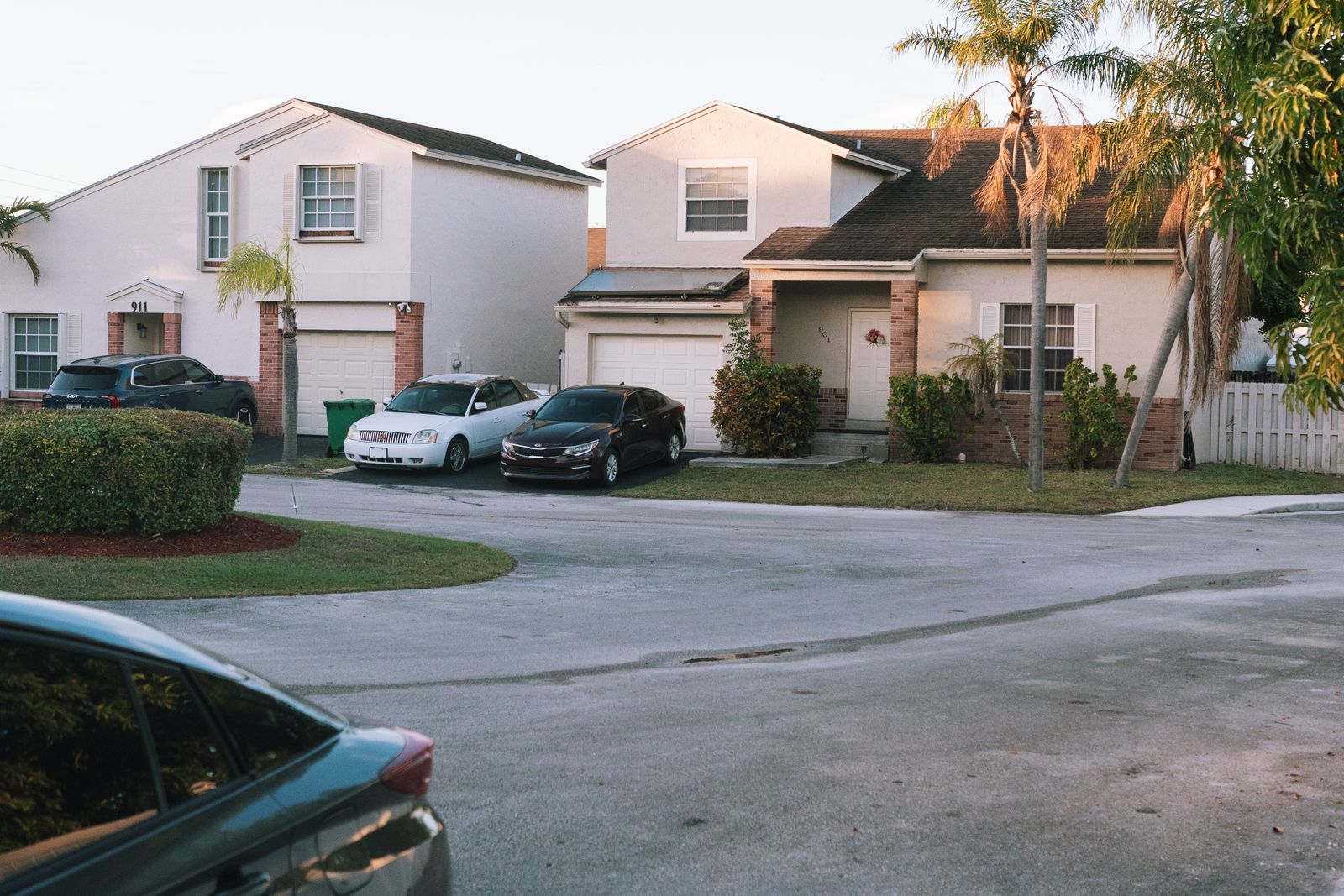
Florida does not give its homeowners four tidy seasons. It gives them a long hot season, a storm season that runs from June through November, and a short, dry break in between — and the maintenance calendar that works in Ohio or Oregon does not work here. A roof that is fine in January can fail in August. An air conditioner that coped last summer can quietly lose its edge over the winter. The checklist below follows Florida's real calendar instead of the calendar on the wall: what to do in the dry season, what to finish before summer, what to watch all through hurricane season, and the small monthly routine that catches most problems while they are still cheap.
The dry season is your maintenance window (November to April)
From November through April, Florida is cooler, drier, and far kinder to outdoor work — and that is when the year's biggest jobs should happen. Start on the roof: from the ground, or with binoculars, look for missing or curled shingles, cracked tiles, rust on metal, and flashing that has lifted around vents and chimneys. Our guide How to Spot Storm Damage on Your Roof explains what to look for. This is also the season for exterior painting and caulking, which need dry surfaces and moderate temperatures to cure properly — our guide How to Choose Exterior Paint That Survives Florida Weather covers paint that holds up in this climate. Clean the gutters too — clogged gutters overflow in the first summer downpour and dump water against the foundation.
Before summer: get the air conditioner ready (April to May)
Your air conditioner is about to work harder than any other machine in the house, for months, without a real break — so April and May are for making sure it is ready. Change the filter, clear leaves and debris from around the outdoor unit, and pour a cup of white vinegar down the condensate drain line to clear the algae that causes the most common summer AC flood. If the system short-cycles or leaves the air clammy, read our guide What Size AC Does a Florida Home Need? before assuming the unit is simply old. Schedule a professional spring tune-up before the first heat wave, not during it, when every company in town is booked solid. Our HVAC Maintenance Checklist Twice a Year covers the full twice-yearly routine.
Hurricane season: prepare early, check often (June to November)
Hurricane season runs June through November, and the preparation that matters most happens before any storm is named. Test shutters or panels in June, before the first forecast — check that every panel is present and every track is clear. Trim trees and palms so dead fronds and weak limbs are not over the roof or near windows. Keep gutters clear through the season, since a single summer storm can fill them again in an afternoon. Know where your shutoffs are: the main water valve, the electrical panel, and the gas valve if you have one. Our guide How to Prepare Your Home for Hurricane Season (Florida) covers the full room-by-room plan. After any storm, walk the property before the next rain and look for lifted shingles, damaged flashing, standing water near the foundation, and any musty smell inside. Our guide Mold After a Leak: When to Call a Professional explains why drying matters more than scrubbing.
Plumbing checks that never take a season off
Some checks belong to no season at all, because the failure they prevent does not wait for one. Once a month, look under every sink for dampness, staining, or that faint musty smell that means a slow leak. Check around toilets for water at the base, and behind the washing machine, where supply hoses age quietly until they burst — braided steel hoses last far longer than plain rubber ones and are a cheap upgrade. If you notice a sudden jump in the water bill, a damp patch on a wall, or a floor that feels warm for no reason, read our guide 7 Signs of a Hidden Water Leak before the damage spreads. And if a pipe does fail, our guide Burst Pipe at 2 AM: The First 5 Steps covers the first five minutes, which decide how bad the next five days are.
The monthly ten-minute routine
Between the seasonal jobs, a ten-minute monthly routine catches most problems while they are still cheap. Change or check the AC filter. Test the garage door safety reverse by placing a roll of paper towels under it as it closes — if it does not reverse, the opener needs attention, and our guide Garage Door Safety Checks covers the rest. Press the test buttons on GFCI outlets in kitchens and bathrooms, and on smoke and carbon monoxide detectors. Look at the electrical panel for any breaker that has tripped, and if one trips repeatedly, read our guide Why Does My Circuit Breaker Keep Tripping? rather than resetting it again and hoping. Finally, walk the house with fresh eyes: a stain on a ceiling, a door that suddenly sticks, a patch of paint that bubbles — small changes are the house telling you something early, and early is when it is cheap.
What to hire out — and when
A checklist is only useful if it is honest about what you should not do yourself. Roof repairs beyond a visual check from the ground, any work inside an electrical panel, anything involving refrigerant, and large-scale mold remediation all belong to licensed professionals — our guide DIY vs Pro: 8 Home Jobs You Should Never DIY explains why. For everything else, the rule is simple: if a job needs a permit, a ladder you are not comfortable on, or a tool you would have to buy and use once, get a quote first. The cheapest maintenance is the job done in the right season, by the right person, before it becomes an emergency.
The bottom line
Florida maintenance is not harder than anywhere else — it is just on a different clock. Do the roof, paint, and exterior work in the dry season, get the air conditioner ready before summer, prepare for storms before any storm is named, and keep the monthly ten-minute routine all year. A home that gets this rhythm right rarely produces surprises. If something has already gone wrong and you need help now, see Reading only gets you so far. Talk to a reviewed local pro, get a written quote, and pay the business directly — this platform never takes advance payments.Need a 24/7 emergency pro?